
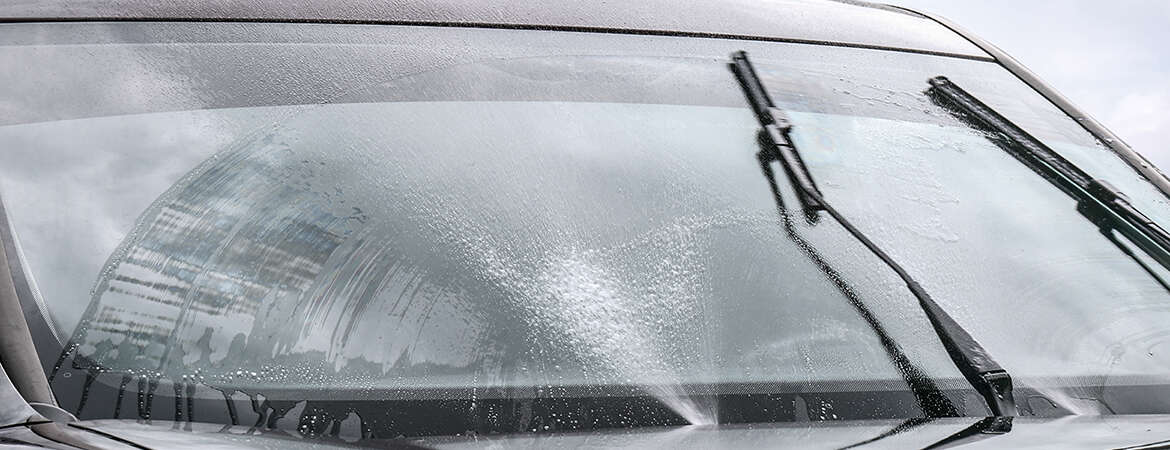
When you think about car maintenance, things like oil changes, tire checks, and brake inspections often come to mind. However, there’s one crucial system that often gets overlooked: your vehicle’s windscreen washer system. While it might seem like a small feature, it plays an essential role in keeping your vision clear and, more importantly, your driving safe.
At the heart of this system is the washer pump, an unsung hero responsible for delivering washer fluid to the windscreen when you need it most. Let’s dive deeper into how this system works, common issues to watch for, and tips on keeping it in tip-top shape.
What is the Washer Pump?
The washer pump is an electric pump designed to transport washer fluid from the reservoir to the nozzles on your windscreen. Whenever you activate the washer system—whether by pressing the button or pulling the stalk—this little pump works hard to send fluid through a series of small hoses to spray the windscreen. This ensures that any dirt, grime, or debris on the glass gets cleared away, giving you better visibility as you drive.
The role of the Washer System
You might not think about it often, but your washer system has a few key functions that contribute to safer driving:
Windscreen Cleaning
The most obvious role is to clear off dirt, bugs, rain, and other debris from your windscreen, keeping your vision clear and improving safety, especially in bad weather conditions.
Headlamp Cleaning
Some modern vehicles come equipped with a system that cleans the headlights as well, ensuring they remain bright and effective at night.
Supporting Windscreen Wipers
Washer fluid isn’t just for cleaning—it helps lubricate the windscreen, reducing the friction between the wipers and the glass. This helps prevent damage to the wiper blades and enhances their performance.
Common Issues with the Washer Pump
Like any part of your car, the washer pump and system can experience issues. Here are a few common problems and what might be causing them:
Pump Not Working
If your washer pump isn’t functioning, it could be due to a blown fuse, a faulty switch, or a malfunctioning pump motor. It’s important to get this checked out, as driving without a properly working washer system can be dangerous.
Weak or No Flow
If you notice weak or no fluid coming from the nozzles, this could indicate clogged or blocked nozzles, hose obstructions, or simply low washer fluid. Make sure the reservoir has enough fluid before jumping to conclusions.
Noisy Washer Pump
A loud, whining noise from the washer pump could signal wear or blockages within the system. Don’t ignore these sounds—this could lead to bigger problems down the road.
Washer Fluid Leaks
If you notice fluid leaking from the washer system, it’s possible there’s a leak somewhere in the pump, hoses, or connectors. Leaks should be addressed promptly to avoid further damage.
Troubleshooting Washer Pump Problems
If you’re facing issues with your washer system, you don’t always have to take it straight to a mechanic. Here are a few steps you can follow to troubleshoot the problem:
Check the Fuse
If the pump isn’t working, the first thing to do is check the fuse as a blown fuse is an easy fix, and it could be the cause of the issue.
Inspect the Wiring
Ensure the wiring and electrical connections are intact as any loose or damaged wiring can prevent the pump from functioning properly.
Check for Blockages
Examine the washer tubing, connectors & jets and if there’s a clog, clear it out carefully to restore full functionality.
Test the Pump Motor
Apply power directly to the washer pump whilst it is off-the-vehicle (easily done using an external power supply) and if it doesn’t activate, the washer pump needs to be replaced.
How To Care For Your Washer Pump
To keep your washer system functioning properly and extend its life, follow these simple care tips:
Top-Up Washer Fluid Regularly
Make sure you always have enough washer fluid in the reservoir, operating the washer pump when there is no fluid can cause the motor to burn out. It’s an easy fix, but neglecting this can leave you in a tough spot when you need it most.
Check Hoses & Nozzles
Give your hoses and nozzles a quick inspection every so often to ensure they’re free from blockages or wear. If the fluid isn’t coming out properly, it could be a sign that something’s clogged.
Clean the Washer Fluid Reservoir
Over time, dirt and debris can build up in the washer fluid reservoir, potentially blocking the fluid lines. Clean the reservoir every now and then to prevent this from happening.
Use the System Regularly
Even if you’re not driving in dirty conditions, regularly using the washer system helps maintain the pump, hoses, and nozzles in good working order.
Address Problems Promptly
If something goes wrong with the system, it’s tempting to put it off but addressing issues—whether it’s a blocked nozzle or a faulty pump—can save you from more expensive repairs in the future.
Your vehicle’s washer pump and system might not be the most glamorous part of your car, but it’s essential to maintaining clear visibility while driving. Regular maintenance such as topping up fluid, cleaning the reservoir and inspecting for leaks can go a long way in keeping everything running smoothly.
By taking these small steps to care for your washer system, you can avoid unnecessary repairs and ensure that you’re always prepared when the weather gets wild or your windscreen gets dirty. So, the next time you use the washer system, remember—it’s working hard to keep you safe on the road!
If you are looking to stock up on Washer Pumps and other washer system components to back up your advice, then feel free to take a look at our Washer Pump & Accessories range